
Grease Trap VS Used Oil Collection: How to Stay Compliant
Managing a commercial kitchen involves balancing a fast-paced environment with a complex web of environmental and municipal regulations. Among the most critical components of this responsibility is the proper management of liquid waste, specifically fats, oils, and grease. While these substances are a natural byproduct of preparing delicious food, letting them slip into the municipal sewer system can lead to severe structural damage, environmental hazards, and costly legal penalties for an establishment. To maintain smooth operations and prevent regulatory infractions, kitchen operators must understand the fundamental distinctions between grease traps and used oil collection for disposal. Though both systems handle kitchen waste, they serve completely different operational functions, require unique management strategies, and are governed by distinct compliance standards.
Understanding how these two systems function independently is the first step toward building a compliant waste management framework. A grease trap is a mechanical containment unit integrated directly into the plumbing system of a kitchen, designed to intercept fats, oils, and grease before they exit the building and enter the public wastewater lines. Conversely, used oil collection refers to the systematic gathering, storage, and removal of bulk frying oils that have reached the end of their culinary lifecycle. Both are indispensable to the daily workflow of a commercial food service establishment, but conflating their roles or neglecting either one can result in immediate regulatory scrutiny. This comprehensive guide explores how each system operates, why they are both vital for compliance, and how your facility can seamlessly manage them.
Defining the Core Mechanisms of Kitchen Waste Management
Understanding the Functionality of a Grease Trap
A grease trap, or grease interceptor, operates on the basic scientific principle that fats, oils, and grease are less dense than water, causing them to float to the surface. When wastewater flows from kitchen sinks, dishwashers, and floor drains into the trap, the flow rate is slowed dramatically. This deceleration allows the mixture to cool and separate into three distinct layers: heavy solid food particles settle to the bottom, clear water remains in the middle, and lighter grease floats to the top. The trap is designed so that only the clean middle layer of water escapes into the municipal sewer system. Because these units have a limited capacity, they must be cleaned out regularly to prevent the accumulated grease and solids from escaping into the public lines, which would otherwise cause massive blockages known as fatbergs.
Exploring the Process of Collecting Used Oil
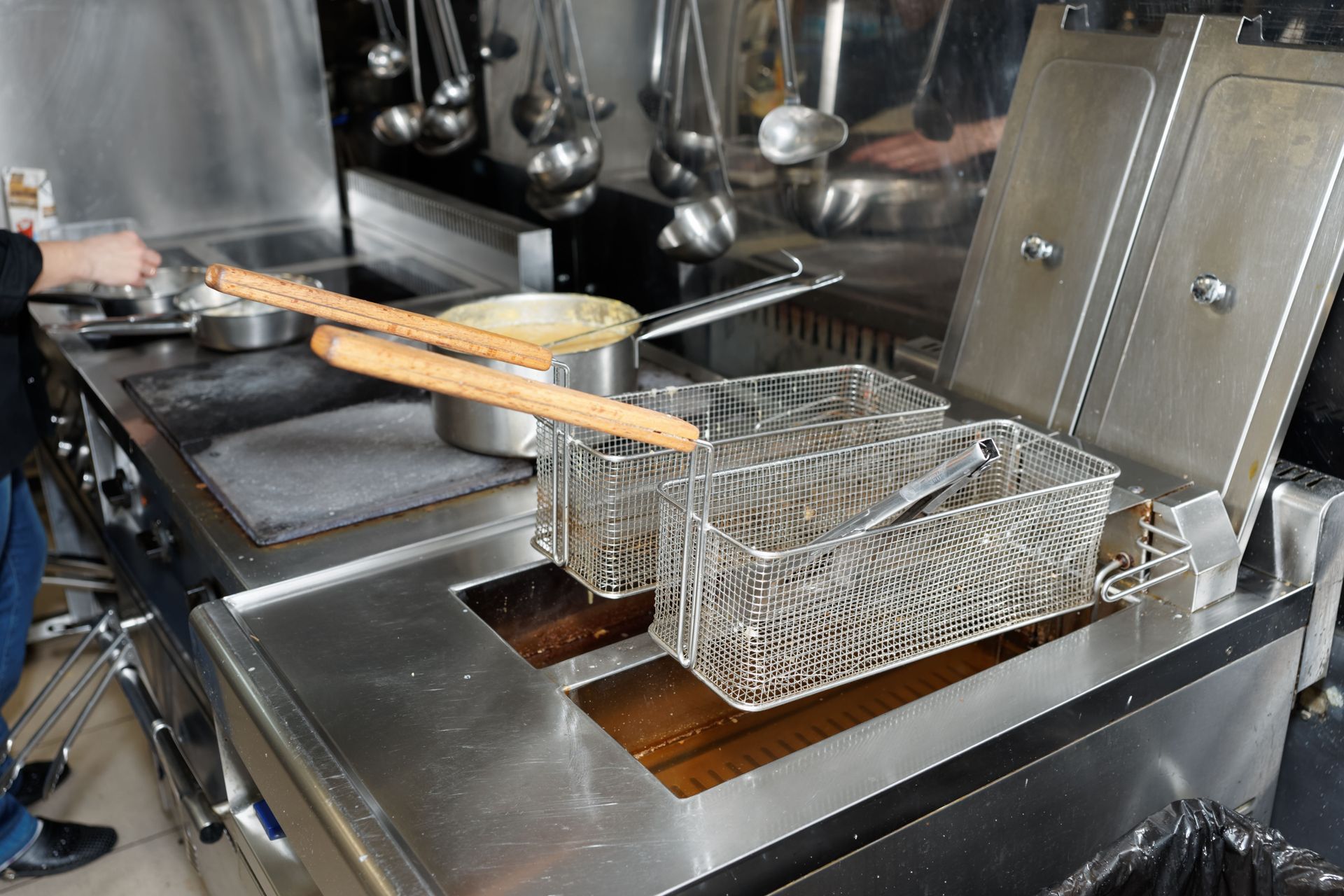
Unlike the automated separation that happens inside a plumbing fixture, used oil collection is a manual and deliberate process dedicated to bulk liquids. When the cooking oil in deep fryers degrades to the point where it affects food quality, it must be drained and replaced. Instead of being poured down a drain, this material is transferred into specialized containment systems designed for safe accumulation. A professional oil collection service is used, then empties these tanks on a recurring schedule, transporting the liquid to a dedicated processing facility. Once gathered, this material is filtered, purified, and converted into valuable industrial commodities, such as renewable diesel and biodiesel, which contribute significantly to a circular economic model.
Navigating the Regulatory Landscape for Compliance
Meeting Local Wastewater Control Standards
Municipalities enforce strict limits on the amount of grease a commercial kitchen can discharge into the public sewer. Local environmental protection agencies and water authorities mandate the installation and continuous maintenance of grease traps to safeguard public infrastructure. Failure to service these traps can lead to blockages that cause raw sewage to back up into the restaurant or surrounding properties. When an establishment violates these local wastewater ordinances, municipal inspectors can issue hefty fines, mandate emergency plumbing overhauls, or even revoke the facility's operating license until the system is brought up to code.
Complying With Environmental Protection Laws
The disposal of bulk cooking oil falls under a different set of environmental regulations, focused primarily on preventing spills and promoting resource recovery. Environmental management agencies require food service facilities to store spent frying oil in approved, leak-proof tank systems that minimize the risk of soil and water contamination. Utilizing a certified used oil collection provider ensures that the manifest of disposal is legally documented, proving to regulators that the material was handled responsibly. According to IMARC Group, an estimated $1.5 trillion in sales of used cooking oil occurred in 2025 in the restaurant and foodservice sector of the US, up 4% compared to 2024. This massive market volume highlights why federal and state regulators look so closely at how individual businesses track and dispose of their used cooking oil.
Assessing the Operational Impact on Commercial Kitchens
Handling Internal Infrastructure Maintenance
Maintaining an indoor grease trap or a large outdoor interceptor requires regular physical intervention. Kitchen staff must monitor the accumulation levels, but the actual extraction of the hardened grease layer and the bottom sediment layer is typically handled by professionals equipped with vacuum trucks. Because this waste contains rotting food particles and stagnant water, opening these traps releases volatile organic compounds and intense odors. Neglecting this maintenance not only threatens regulatory compliance but also impacts the internal environment of the restaurant, creating foul odors that can migrate into the dining room and ruin the guest experience.
Streamlining Outer Storage and Extraction
Managing bulk frying oil requires a focus on physical safety and external cleanliness. Transferring hot liquid from deep fryers to storage areas presents a burn risk for employees, making the integration of secure tank systems essential. These storage units must be placed in accessible locations for collection vehicles while remaining sealed against pests and vandals. A structured used oil collection routine prevents the outdoor storage area from becoming slick with oil residue, which can cause employee slip-and-fall accidents and attract rodents. Keeping the storage perimeter clean ensures the business projects a sanitary image to health inspectors and the public.
Implementing Effective Best Practices for Kitchen Staff
Establishing Consistent Scraping Protocols
The most effective way to keep a grease trap functioning within legal limits is to reduce the amount of waste that enters the plumbing system in the first place. Kitchen staff should be trained to scrape all food scraps, sauces, and residual grease from plates, pots, and pans directly into the trash before washing them. Implementing a pre-wiping routine using paper towels for heavily soiled cookware can significantly lower the rate at which grease accumulates in the interceptor, reducing the frequency of necessary pump-outs and minimizing the risk of sudden drain backups.
Organizing Dedicated Fryer Filtration Routines
To maximize the lifespan of cooking oil and ensure clean used oil collection, kitchens should implement standard operating procedures for fryer maintenance. Skimming floating food debris throughout the day and filtering the oil nightly keeps the liquid clear of carbonized particles. When the oil finally breaks down and must be discarded, it should be allowed to cool to a safe temperature before being transferred into the designated tank systems. Keeping the oil free of water and excessive food debris during storage makes the subsequent used oil collection process more efficient and ensures the material can be successfully recycled.
Maintaining regulatory compliance requires a dual approach that addresses both plumbing infrastructure and bulk liquid waste streams. While the grease trap silently filters wastewater to keep local sewers clear, a reliable
used oil collection program ensures that bulk frying oil is diverted from landfills and safely repurposed into renewable energy. By training staff on source reduction, utilizing advanced tank systems, and partnering with experienced, certified professionals, restaurant operators can avoid costly fines and operational disruptions. Ultimately, taking a proactive approach to managing these two distinct waste components protects the environment, safeguards public infrastructure, and keeps the commercial kitchen running efficiently for years to come. For a reliable cooking oil disposal service, contact Planet Fry today to get a free estimate.

Share On: