Used Oil Disposal: How Cooking Oil Is Recycled Into Biodiesel and Renewable Energy
The journey of liquid kitchen waste from discarded fryer material to a sustainable power source represents a critical shift in modern resource management. Understanding the proper handling of these organic liquids provides clear insight into creating a cleaner, greener future. With increasing global awareness regarding environmental sustainability, converting organic waste liquids into functional fuel has become an essential commercial practice. This physical and chemical transformation mitigates the severe negative impacts of improper disposal while simultaneously reducing global reliance on traditional fossil fuels. Examining the full life cycle that goes into used oil disposal reveals how coordinated collection efforts, regulatory oversight, and advanced refining technologies turn a ubiquitous waste stream into a vital asset for global energy systems.
Beyond the immediate environmental perks, the economic mechanisms driving this sector rely heavily on scalable supply chains and advanced processing plants. Modern processing infrastructure requires continuous investment to maintain efficiency and meet rising international fuel standards. Strategic partnerships between food service operators, municipal waste authorities, and specialized refiners ensure that raw feedstock moves seamlessly from kitchens to refining centers. As technology advances, the underlying economics continue to shift, making sustainable fuel production increasingly competitive with conventional petroleum refining. Expanding this infrastructure requires a deep understanding of collection logistics, chemical processing techniques, and the complex regulations governing global energy markets.
Understanding Feedstock Management Principles
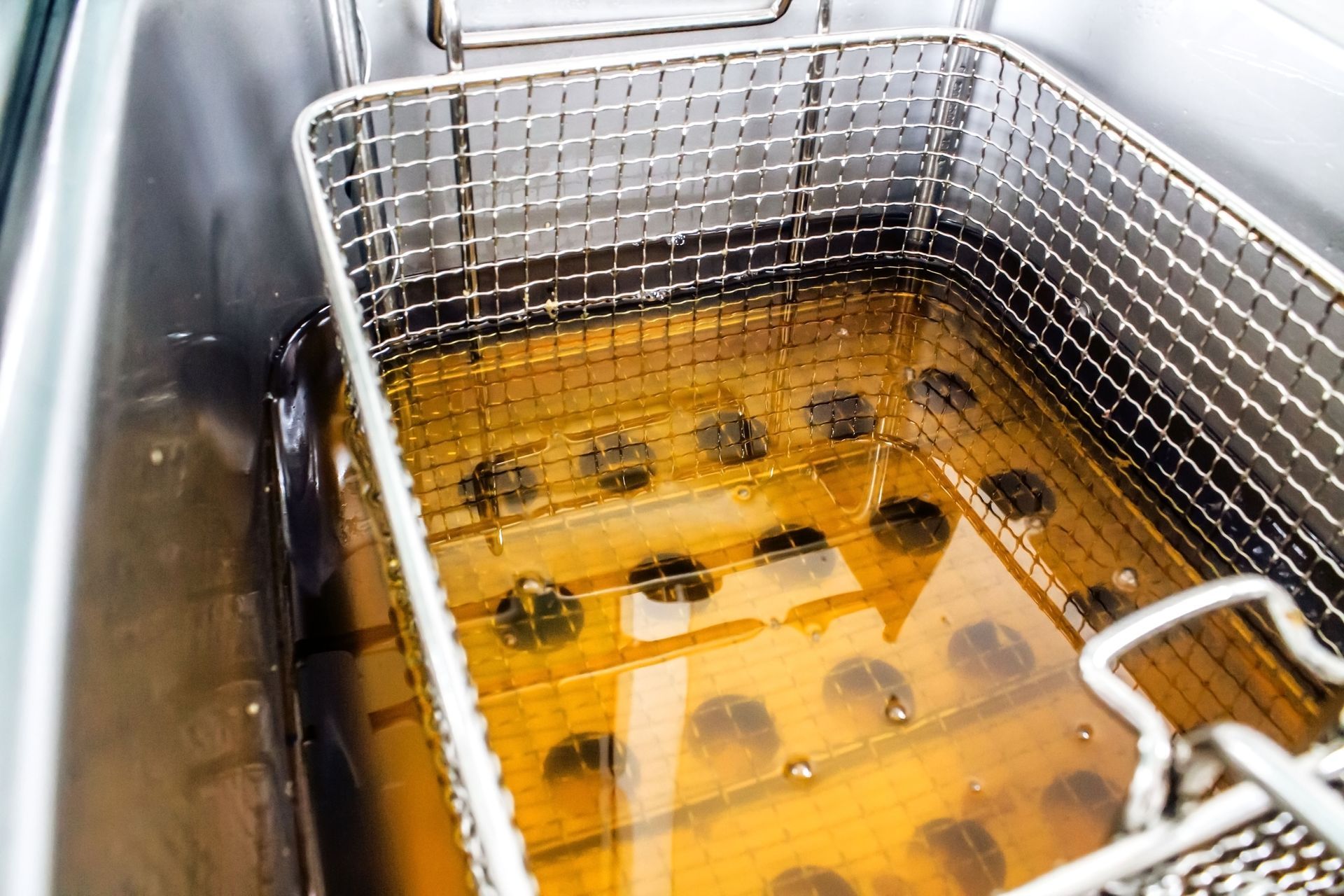
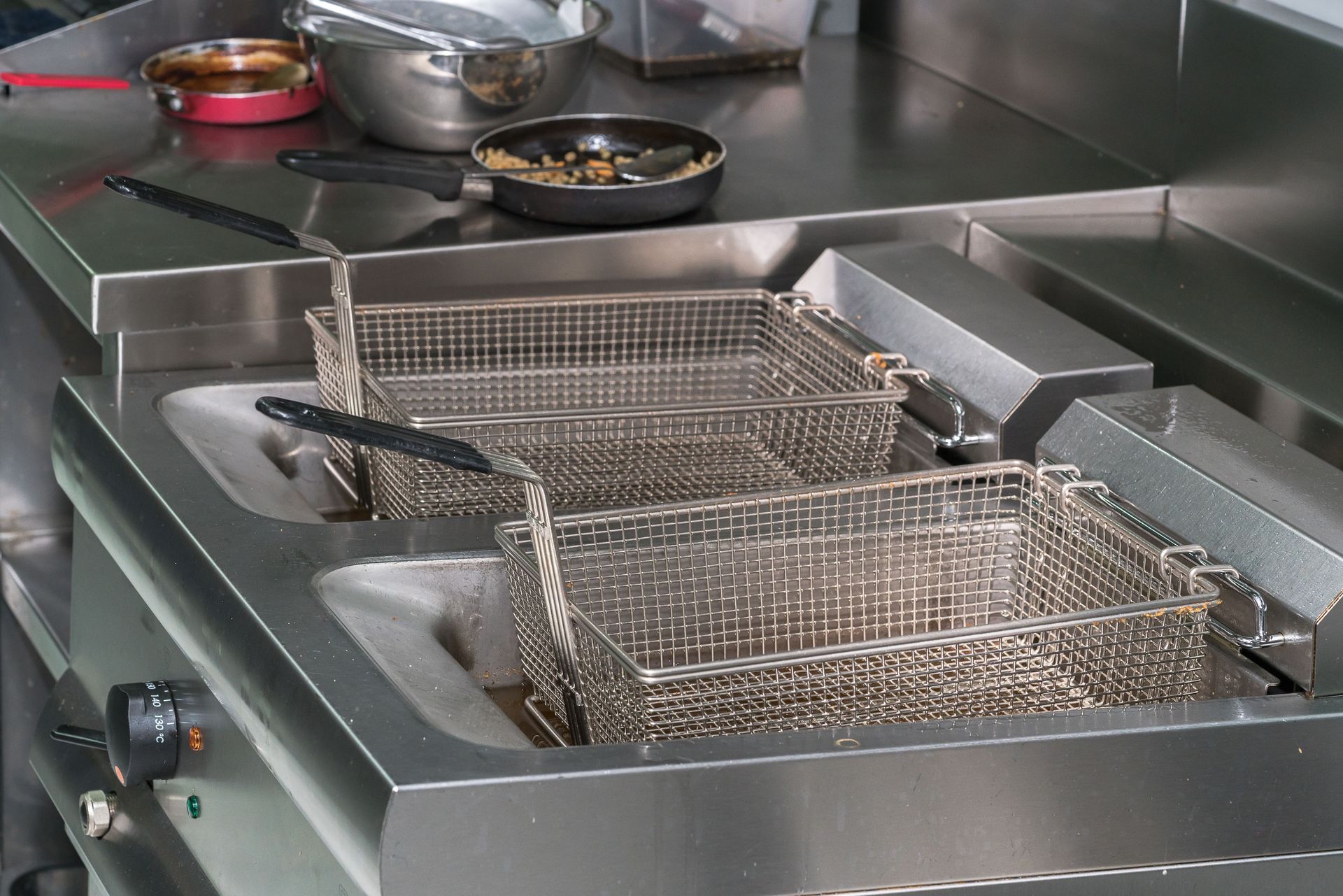
The initial phase of fuel recovery begins with identifying, collecting, and properly containing leftover kitchen liquids from commercial and residential facilities. Establishing clean collection protocols ensures that the raw material remains free from excessive water, solid food debris, and chemical cross-contaminants that complicate downstream refining. Commercial kitchens generate the vast majority of high-grade organic liquid waste, making targeted collection programs highly effective. Municipalities and private waste firms must work together to establish accessible drop-off locations and regular pickup schedules for high-volume producers. Proper containment during initial storage prevents premature oxidation, pest attraction, and environmental spills, ensuring the raw material retains its economic value for energy conversion.
Effective raw material handling requires strict adherence to temperature and container cleanliness standards before transportation to processing plants. Moisture management remains a top priority during initial storage because water accelerates the breakdown of triglycerides into free fatty acids, which lowers the overall yield during chemical refining. Clear labeling, sealed steel drums, and secure storage areas prevent accidental mixing with non-recyclable liquid waste. Furthermore, transportation fleets must utilize dedicated vacuum tankers and heated transport vessels to move large volumes safely across logistics networks. Through standardized collection techniques, commercial entities can streamline the first major stage of used oil disposal.
Evaluating Chemical Conversion Technologies
Transforming organic liquid waste into functional diesel fuel requires a precise chemical process known as transesterification. During this reaction, purified liquid fats are combined with an alcohol, typically methanol, in the presence of a strong catalyst like sodium hydroxide. This chemical interaction breaks the triglyceride bonds, yielding fatty acid methyl esters alongside glycerin as a marketable secondary byproduct. Advanced refining facilities utilize automated reactors, high-speed centrifuges, and multi-stage filtration units to handle thousands of gallons daily. Continuous innovations in catalyst technology and continuous-flow processing continue to boost conversion yields while reducing energy consumption during the refining phase.
Maintaining strict output quality demands rigorous testing against international fuel benchmarks, such as ASTM D6751 or EN 14214 standards. Key factors influencing costs include feedstock acquisition, processing technologies, and regulatory compliance expenses. According to Fact.MR, biodiesel production was the leading application of used cooking oil, with a 50% share as of November 2025, highlighting its economic significance. Investment in research and development continues to drive cost-efficiency and process optimization. Refiners perform continuous viscosity tests, flash point evaluations, and water content analyses to verify that the final fuel operates safely in standard diesel engines without causing fuel injector fouling or system damage.
Maximizing Environmental And Economic Benefits
Replacing conventional petroleum with refined organic fuel delivers substantial ecological advantages across its entire product life cycle. Utilizing recycled kitchen liquids directly reduces greenhouse gas emissions, soot particles, and sulfur compounds emitted into the atmosphere. Because the raw feedstock originates from organic materials, the carbon released during combustion was previously absorbed during crop growth, creating a closed carbon loop. Furthermore, diverting liquid fats away from municipal sewer systems prevents severe infrastructure blockages, saving cities millions of dollars in pipe maintenance and wastewater treatment costs. Protecting aquatic habitats from accidental oil runoff represents another critical ecological benefit of structured recycling programs.
From a broader economic perspective, the expansion of alternative fuel refining drives job growth, technological innovation, and energy independence. Collecting, transporting, and processing liquid waste creates sustainable employment opportunities across both urban and rural regions. Local fuel production reduces a nation's exposure to volatile global oil prices while strengthening domestic energy security. Small businesses and agricultural producers benefit from localized energy supply chains that keep capital within the domestic economy. By transforming an expensive waste liability into a valuable energy commodity, society achieves both environmental preservation and long-term economic resilience.
Overcoming Logistics And Market Challenges
Despite the clear benefits, the alternative fuel sector faces operational barriers related to supply chain fragmentation and market volatility. Raw material quality varies significantly depending on the original cooking medium, cooking temperatures, and storage duration, forcing refiners to adjust their pretreatment processes constantly. Fluctuations in global crude oil prices can temporarily alter the cost competitiveness of recycled fuels, impacting refinery margins. Additionally, setting up comprehensive collection infrastructure in remote or low-density regions presents an ongoing logistical hurdle. Overcoming these obstacles requires adaptive business strategies, diversified product portfolios, and strong public-private partnerships.
Navigating complex regulatory frameworks presents another ongoing challenge for industry participants. Inconsistent regional policies, shifting tax incentives, and varying environmental mandates can create market uncertainty for long-term facility investments. Public education campaigns are necessary to combat improper disposal habits among smaller commercial operators who may be unaware of local waste regulations. Working closely with municipal planning boards helps establish uniform guidelines for waste liquid containment and transport. By addressing these operational, economic, and policy challenges directly, the industry can build a more stable supply network capable of supporting long-term renewable energy goals.
Implementing Global Best Practices
Examining successful international programs for used oil disposal offers a clear roadmap for scaling liquid waste recycling across diverse markets. Municipalities across Western Europe have pioneered integrated waste management frameworks that mandate the separation of liquid fats from general municipal waste. These policies are supported by robust public infrastructure, including localized collection hubs and tax credits for commercial entities that achieve high compliance rates. In developing economies, scalable micro-refining plants are proving effective at transforming localized waste into affordable power for agricultural equipment. Sharing technological innovations and regulatory models across international borders accelerates global adoption and elevates processing standards.
Community-driven initiatives highlight the power of localized action in driving broad environmental compliance. Educational outreach in schools, local business associations, and culinary institutes fosters a strong culture of resource recovery from the ground up. Commercial kitchen operators who publicize their participation in certified recycling programs often gain a competitive edge among environmentally conscious consumers. Government agencies can further support these grassroots efforts by funding research into next-generation refining equipment and offering grants for fleet conversion. Synthesizing these international insights enables communities worldwide to optimize their liquid waste management systems.
Transforming kitchen waste into clean energy exemplifies the immense potential of modern resource recovery and sustainable industrial engineering. Establishing structured collection networks, applying advanced chemical refining techniques, and supporting clear regulatory policies allow society to convert a major waste management challenge into a reliable source of green power. Continuing to invest in processing technology and infrastructure will ensure that organic liquids remain a cornerstone of global renewable energy strategies.
Promoting these environmental strategies requires active participation from both commercial enterprises and local community leaders. Business operators looking to lower their environmental impact while ensuring regulatory compliance must adopt professional waste management protocols. Reach out to Planet Fry today to implement a comprehensive service plan for
used oil disposal and take the first step toward a cleaner operational model.


Share On: