
How to Safely Store Cooking Oil in a Tank
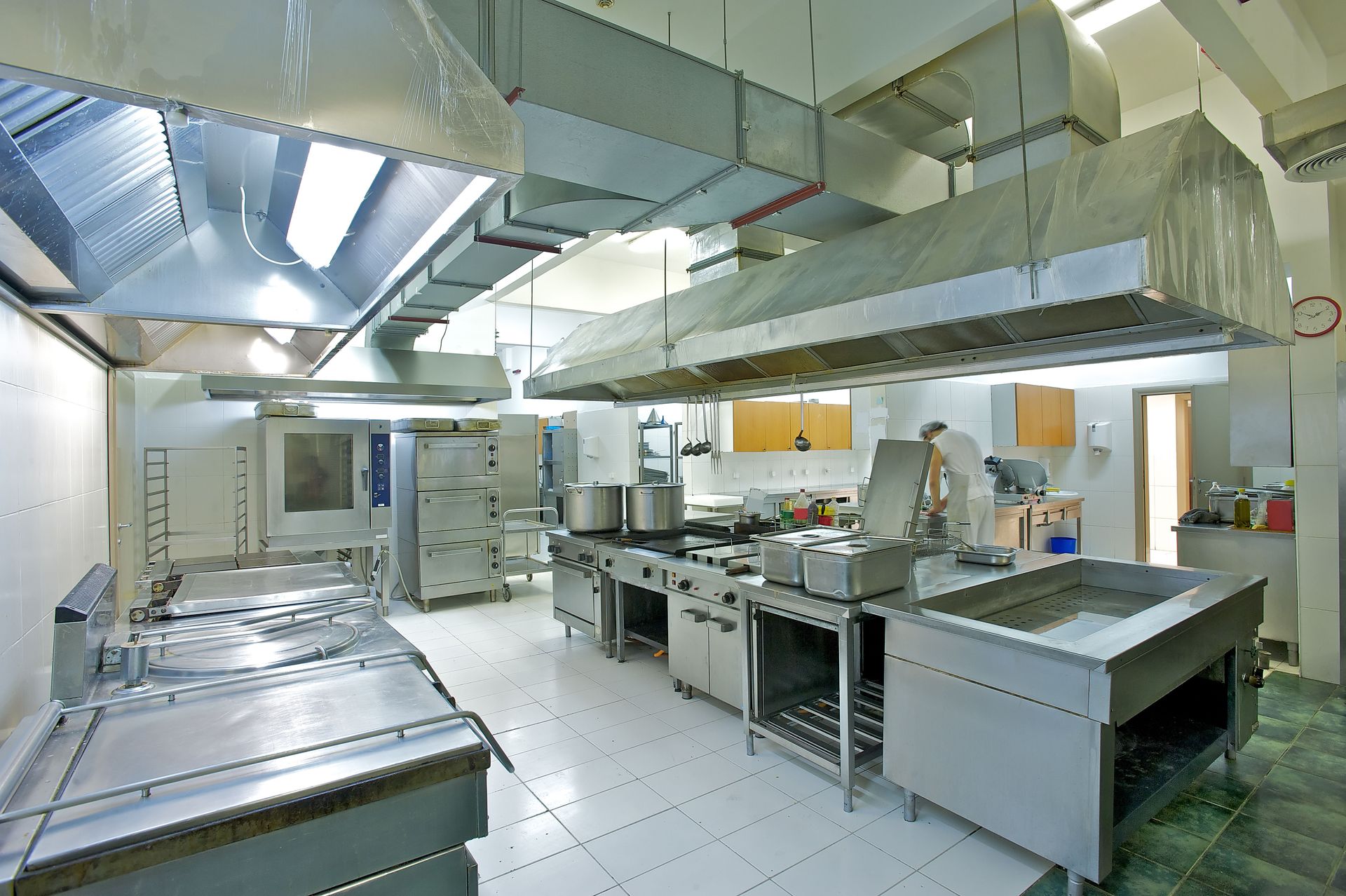
Managing commercial kitchens and food manufacturing facilities requires careful attention to waste management and resource conservation. Among the most critical operational tasks is handling used vegetable oils and animal fats generated from large-scale food preparation. Storing these liquid byproducts improperly can create severe environmental hazards, fire risks, and costly municipal code violations. Implementing dedicated storage infrastructure helps facilities manage spent oils safely and efficiently while maintaining clean work environments. Storing fats properly also protects local wastewater infrastructure from catastrophic damage caused by improper disposal methods. According to EPA, grease from restaurants, homes, and industrial sources has been identified by the EPA as the most common cause of reported sewer blockages, accounting for 47% of reported blockages. Investing in specialized storage equipment prevents grease from reaching public drainage systems while streamlining recycling operations. Installing a secure cooking oil tank allows commercial kitchens to streamline daily grease disposal, uphold stringent health standards, and protect surrounding ecosystems.
Selecting Proper Tank Materials and Specifications
Choosing durable, food-safe materials for storage vessels ensures long-term containment without risk of chemical degradation or structural leaks. High-density polyethylene, stainless steel, and heavy-gauge carbon steel represent the industry standards for holding used grease and vegetable oils. Polyethylene containers resist rust and chemical corrosion, making them ideal for indoor or sheltered outdoor applications where temperature swings remain moderate. Stainless steel construction provides maximum structural integrity, exceptional fire resistance, and easy surface sanitation, making it the preferred choice for indoor commercial kitchens. Heavy-gauge carbon steel units equipped with protective exterior coatings offer superior durability for large-volume outdoor containment setups. Ensuring that your chosen vessel features seamless construction prevents oil from weeping through joints or welded seams over time. Additionally, verifying that container materials comply with local environmental regulations guarantees that your facility avoids costly fines or operational interruptions. Consulting equipment specialists helps kitchen managers select an appropriate cooking oil tank engineered to match their specific daily volume and storage duration needs.
Position Containers in Safe and Accessible Locations
Determining the ideal installation site for grease storage vessels requires balancing operational convenience with strict safety protocols. Storage units should reside on flat, level concrete pads capable of supporting the full weight of liquid-filled containers without shifting or tilting. Indoors, positioning holding units near fryers minimizes the distance kitchen staff must carry hot liquid, reducing spill and burn hazards. However, containers must maintain clear clearance from open flames, heating elements, high-voltage electrical panels, and primary emergency exits. Outdoors, storage units belong in secure, well-lit areas protected from vehicle traffic by heavy-duty steel bollards or concrete barriers. Locating outdoor vessels on concrete rather than asphalt prevents oil degradation of paving materials, as spilled fats gradually dissolve asphalt binders. Ensuring easy access for collection vehicles allows vacuum truck operators to pump out stored oil without obstructing kitchen operations or customer parking. Securing your cooking oil tank in a dedicated, well-ventilated enclosure prevents unauthorized access, reduces odor accumulation, and maintains property aesthetics.
Implementing Temperature Control and Secondary Containment Systems
Regulating internal fluid temperatures and establishing secondary containment barriers protects facilities against catastrophic spills and solidified grease blockages. Animal fats and certain vegetable oils thicken or solidify at room temperature, making liquid extraction difficult during collection cycles. Equipping storage vessels with internal heating elements or heat-tracing tape keeps contained fats liquified for effortless pumping without scorching the oil. Furthermore, installing double-walled vessel designs or placing single-walled containers within secondary containment basins catches unexpected leaks before liquids reach surrounding floors or storm drains. Secondary containment structures must feature sufficient volumetric capacity to hold total container contents plus additional rainfall allowance for outdoor installations. Rain caps and weatherproof lids prevent rainwater from entering containment basins, eliminating overflow risks and keeping stored oil free from excess moisture. Installing automated leak detection sensors between primary and secondary walls provides immediate warning if internal liners suffer punctures or fatigue. Utilizing advanced secondary containment around your cooking oil tank mitigates environmental contamination risks and satisfies regional spill prevention mandates.
Establishing Safe Transfer and Handling Protocols
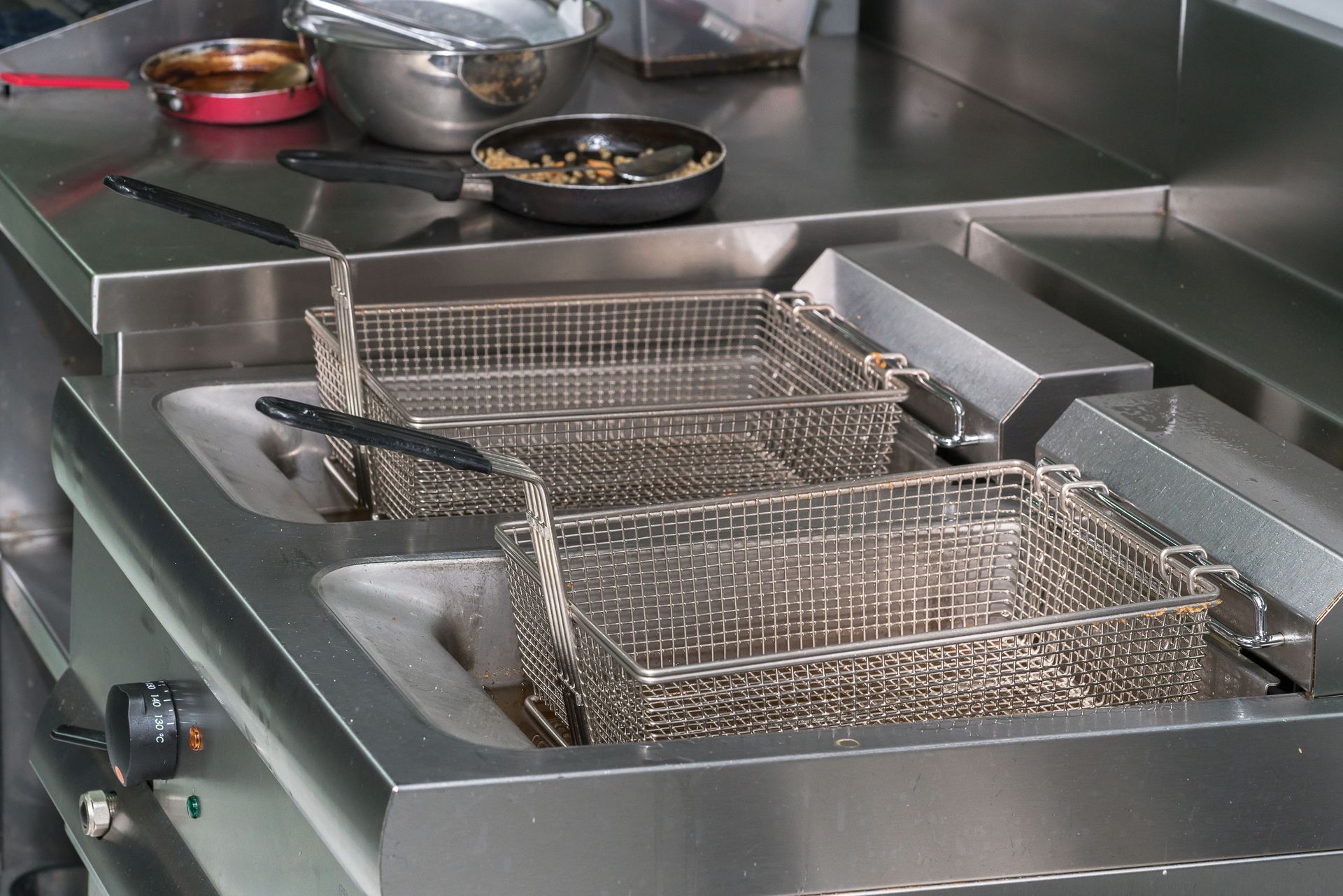
Enforcing strict daily operational procedures ensures that kitchen staff transfer hot fats into storage vessels without risking personal injury or environmental spills. Kitchen workers should allow deep fryer oil to cool significantly before initiating transfer routines, minimizing burn risks and thermal shock to storage equipment. Utilizing dedicated, covered transport caddies equipped with secure locking lids reduces splash hazards while rolling liquid across slippery kitchen floors. Staff members must wear heat-resistant gloves, protective aprons, face shields, and non-slip footwear throughout every transfer cycle. Utilizing automated oil-pumping systems that direct grease through hard-plumbed pipes directly from fryers into holding units eliminates manual carrying entirely, creating safer workplace conditions. Furthermore, installing coarse mesh strainers over container inlet ports catches food debris and batter particles before they enter storage vessels. Removing solid organic debris prevents sludge accumulation at the bottom of holding units, keeping oil fluid and extending equipment lifespan. Training employees on proper transfer techniques ensures your cooking oil tank remains clean, operational, and free from severe clogging.
Performing Routine Cleaning and Preventive Inspection Schedules
Executing consistent maintenance routines preserves container integrity and prevents foul odors, pest infestations, and mechanical failures. Staff members should wipe down exterior container surfaces, transfer hoses, and inlet valves daily using approved degreasing agents to prevent sticky grease buildup. Accumulated exterior grease attracts rodents and insects while creating dangerous slip hazards for kitchen personnel working nearby. Monthly visual checks should examine structural welds, valves, gaskets, sight glasses, and secondary containment basins for signs of wear, rust, or fluid weeping. Furthermore, scheduling periodic internal tank cleanouts with professional service providers removes settled heavy solids, food particles, and water layers that accumulate over time. Removing bottom sludge prevents bacterial growth and rancidity, which can create offensive odors that permeate surrounding dining or production areas. Establishing a comprehensive maintenance regimen for your cooking oil tank prolongs equipment utility while ensuring smooth, trouble-free collection cycles.
Preparing Comprehensive Spill Response and Emergency Procedures
Developing clear emergency response strategies prepares kitchen staff to manage accidental grease spills quickly, safely, and effectively before liquids enter drainage systems. Facilities should maintain fully stocked spill response kits adjacent to all oil handling and storage zones at all times. Emergency kits must contain non-combustible absorbent materials, drain covers, oil-absorbent booms, squeegees, heavy-duty disposal bags, and personal protective gear. If a spill occurs, staff members must immediately block nearby floor drains and outdoor catch basins using magnetic covers or absorbent dikes to prevent sewer contamination. Marking emergency shutoff valves clearly ensures that automated pumping systems can be deactivated instantly during line ruptures or equipment failures. Training employees on step-by-step spill containment protocols ensures rapid action, minimizing property damage and workplace slip hazards. Integrating safety protocols around your cooking oil tank protects facility operations, employee safety, and local water resources from unexpected containment breaches.
Safely managing spent cooking oil requires durable containment equipment, strategic site placement, robust spill prevention measures, and rigorous staff training routines. Implementing reliable storage infrastructure safeguards kitchen employees from dangerous burns, prevents property damage from fires or spills, and keeps municipal sewer systems free from destructive grease blockages. Consistent preventive care, detailed safety protocols, and routine professional collection ensure that your food service operations remain clean, compliant, and highly efficient. At Planet Fry, we take immense pride in providing commercial kitchens with state-of-the-art oil management solutions, custom storage equipment, reliable grease recycling, and exceptional customer care tailored to your operational needs. Contact our experienced team today to evaluate your current grease handling procedures, explore our advanced containment technology, and schedule a personalized consultation to optimize your facility's safety and sustainability goals.

Share On: