
Cooking Oil Disposal: Why Pouring Oil Down the Drain Causes Plumbing Problems
Understanding the impact of improper disposal of cooking oil on plumbing systems and the environment is essential for maintaining the health of both our homes and our planet. While cooking oil is a staple in kitchens around the world, many people are unaware of the detrimental effects it can have when disposed of incorrectly. This article explores the reasons why pouring cooking oil down the drain is problematic and offers solutions for responsible disposal methods.
Plumbing systems are not designed to handle the thick, viscous nature of cooking oils, which can lead to serious blockages and costly repairs. Beyond the immediate plumbing issues, improper disposal of cooking oil contributes to environmental pollution and places additional strain on water treatment facilities. By understanding the proper disposal methods and alternatives to draining oil, we can all contribute to a healthier environment.
Public awareness and education play crucial roles in addressing the issue of cooking oil disposal. Government campaigns, school programs, and community initiatives are vital in teaching people the importance of proper disposal practices. As individuals, being informed and taking responsible actions can make a significant difference in protecting both our plumbing systems and the broader ecosystem.
Section 1: The Basics of Cooking Oil Disposal
Subsection 1.1: What is Cooking Oil?
Cooking oil is a generic term for a variety of plant, animal, or synthetic fats used in frying, baking, and other forms of cooking. While oils like olive, canola, and vegetable are common, each type has different properties that influence its suitability for various cooking methods. Understanding these differences helps in selecting the appropriate oil for specific culinary tasks and ensures the best flavor and texture in meals.
These oils are primarily composed of triglycerides, which are esters derived from glycerol and three fatty acids. Depending on the source, cooking oils can have varying levels of saturated, monounsaturated, and polyunsaturated fats. Knowing the composition of these oils is important for health reasons, as different fats have distinct effects on cholesterol levels and cardiovascular health.
As a liquid at room temperature, cooking oil is often taken for granted in its use and disposal. However, its physical state can change with temperature, becoming solid or semi-solid when cooled, which poses challenges for plumbing systems. Understanding the science behind cooking oils is the first step in realizing why improper disposal methods, such as pouring them down the drain, can lead to significant problems.
Subsection 1.2: Common Types of Cooking Oils
The most commonly used cooking oils include olive oil, canola oil, vegetable oil, and sunflower oil. Olive oil is praised for its health benefits and is often used in salads and low-heat cooking. Canola oil is known for its neutral flavor and versatility, making it a popular choice for frying and baking.
Vegetable oil, typically a blend of various oils, is a staple in many households due to its affordability and high smoke point. Sunflower oil, rich in vitamin E, is commonly used for frying. Each of these oils has unique properties that make them suitable for different culinary applications, but they all share a common challenge: proper disposal after use.
The global used cooking oil market was valued at USD 8.01 billion in 2025, with North America taking a 43.69% share. This statistic highlights the scale of cooking oil consumption and the importance of addressing disposal practices. As the demand for cooking oils continues to grow, so does the need for sustainable and environmentally friendly disposal solutions.
Subsection 1.3: Why Disposal Methods Matter
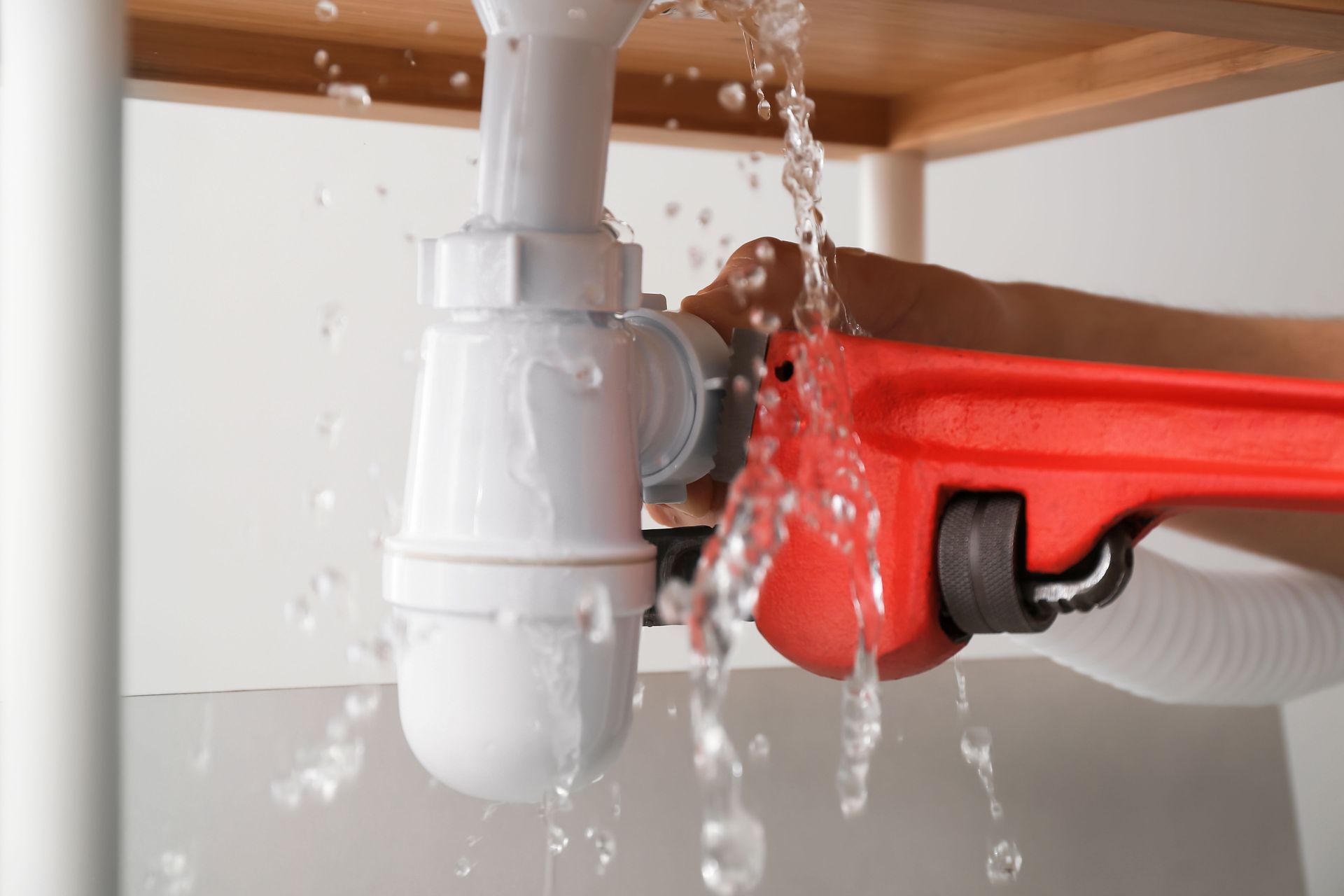
Disposing of cooking oil properly is crucial for several reasons, including the prevention of plumbing issues and environmental impact. When oil is poured down the drain, it can solidify and adhere to the inner surfaces of pipes, causing blockages that lead to slow drainage and potential overflows. These blockages can result in costly plumbing repairs and inconvenience for homeowners.
In addition to plumbing problems, improper disposal of cooking oil contributes to environmental pollution. When oil enters water bodies, it can form a film on the surface that disrupts oxygen exchange, harming aquatic life. This pollution also increases the workload on water treatment facilities, which must remove oil and grease before discharging treated water into the environment.
Legal regulations on oil disposal vary by region, but many municipalities prohibit pouring oil down the drain due to its negative effects. Understanding and adhering to these regulations is an important aspect of responsible cooking oil disposal. By following proper disposal methods, we can all play a part in protecting our plumbing systems and the environment.
Subsection 1.4: Environmental Impact of Cooking Oils
The environmental impact of cooking oils extends beyond their use in kitchens. When improperly disposed of, cooking oils contribute to pollution in water bodies, affecting aquatic ecosystems. The film created by oil on water surfaces can block sunlight and reduce oxygen levels, leading to the death of fish and other aquatic organisms.
In addition to harming aquatic life, cooking oils can contribute to urban pollution when they mix with other waste materials. This mixture can create large masses of fat and waste that block sewers and cause infrastructure damage. Managing these issues requires significant resources and can lead to increased costs for municipalities and taxpayers.
Recycling cooking oil offers an environmentally friendly alternative to disposal. Used cooking oil can be collected and processed into biodiesel, a renewable energy source that reduces greenhouse gas emissions. By recycling cooking oil, we can reduce pollution, conserve resources, and support sustainable energy initiatives.
Subsection 1.5: Legal Regulations on Oil Disposal
Legal regulations on cooking oil disposal are in place to protect both plumbing systems and the environment. Many municipalities have specific guidelines for disposing of used cooking oil, and failing to comply with these regulations can result in fines or other penalties. These laws are designed to prevent plumbing blockages and reduce environmental pollution.
In addition to local regulations, there are international efforts to standardize oil disposal practices. Organizations such as the Environmental Protection Agency (EPA) provide guidelines and resources for safely disposing of cooking oil. According to Fortune Business Insights, the global cooking oil market was valued at USD 8.01 billion in 2025, with North America taking 43.69% share.
These guidelines emphasize the importance of recycling and responsible disposal methods to minimize the impact on the environment.
Understanding and adhering to these legal regulations is crucial for individuals and businesses alike. By following the rules and using proper disposal methods, we can all contribute to healthier plumbing systems and a cleaner environment. Public education and awareness campaigns play a key role in ensuring compliance with these regulations.
Section 2: How Cooking Oil Affects Plumbing
Subsection 2.1: The Chemistry of Grease and Pipes
Cooking oil is composed of triglycerides, which are esters derived from glycerol and fatty acids. When oil is poured down the drain, it can mix with other waste materials and form a sticky substance known as grease. This grease can adhere to the inner surfaces of pipes, leading to blockages and slow drainage.
As grease builds up inside pipes, it can restrict the flow of water and cause clogs that lead to overflows and backups. These blockages can result in costly plumbing repairs and damage to property. Understanding the chemistry of grease and its effects on plumbing is essential for preventing these issues.
The role of temperature in oil solidification is also an important factor to consider. When cooking oil cools, it can solidify and form a solid mass that is difficult to remove from pipes. This solidification process is influenced by the type of oil, its composition, and the temperature of the surrounding environment. Be sure to reach out to Planet Fry today to learn more about our professional cooking oil disposal!

Share On: