
5 Mistakes People Make with Cooking Oil Disposal (and How to Avoid Them)
Kitchens are the busy hearts of our homes and businesses, serving as the hubs where culinary magic happens. From crisping up golden french fries to searing perfect proteins, cooking oil is an indispensable tool for any chef or home cook. However, once the cooking is done, a critical and often overlooked question arises: what should you do with the leftover grease? Managing kitchen waste responsibly requires a bit of knowledge, yet many people unknowingly fall into habits that damage their plumbing, harm the local ecosystem, and waste valuable resources.
Proper cooking oil disposal is becoming more critical than ever on a global scale. As more industries and households realize the hidden value in kitchen waste, the recycling market is experiencing a massive boom. According to Fortune Business Insights, the sector is anticipated to experience substantial expansion, rising from a valuation of $7.43 billion in 2025 to $12.85 billion over the following seven years. This massive growth highlights just how important it is to treat your leftover grease as a valuable resource rather than just trash. By understanding the common pitfalls of handling kitchen waste, you can protect your property and contribute to a much cleaner, more sustainable environment.
1. Pouring Oil Down the Kitchen Drain
The most common cooking oil disposal error people make after finishing a meal is pouring liquid grease straight down the kitchen sink. When oil is hot, it flows smoothly, making it seem harmless to rinse away with a little warm water. Unfortunately, this creates a major illusion of safety. As soon as that liquid hits the cool dark environment of your underground pipes, it undergoes a rapid cooling process and solidifies into a thick, sticky sludge.
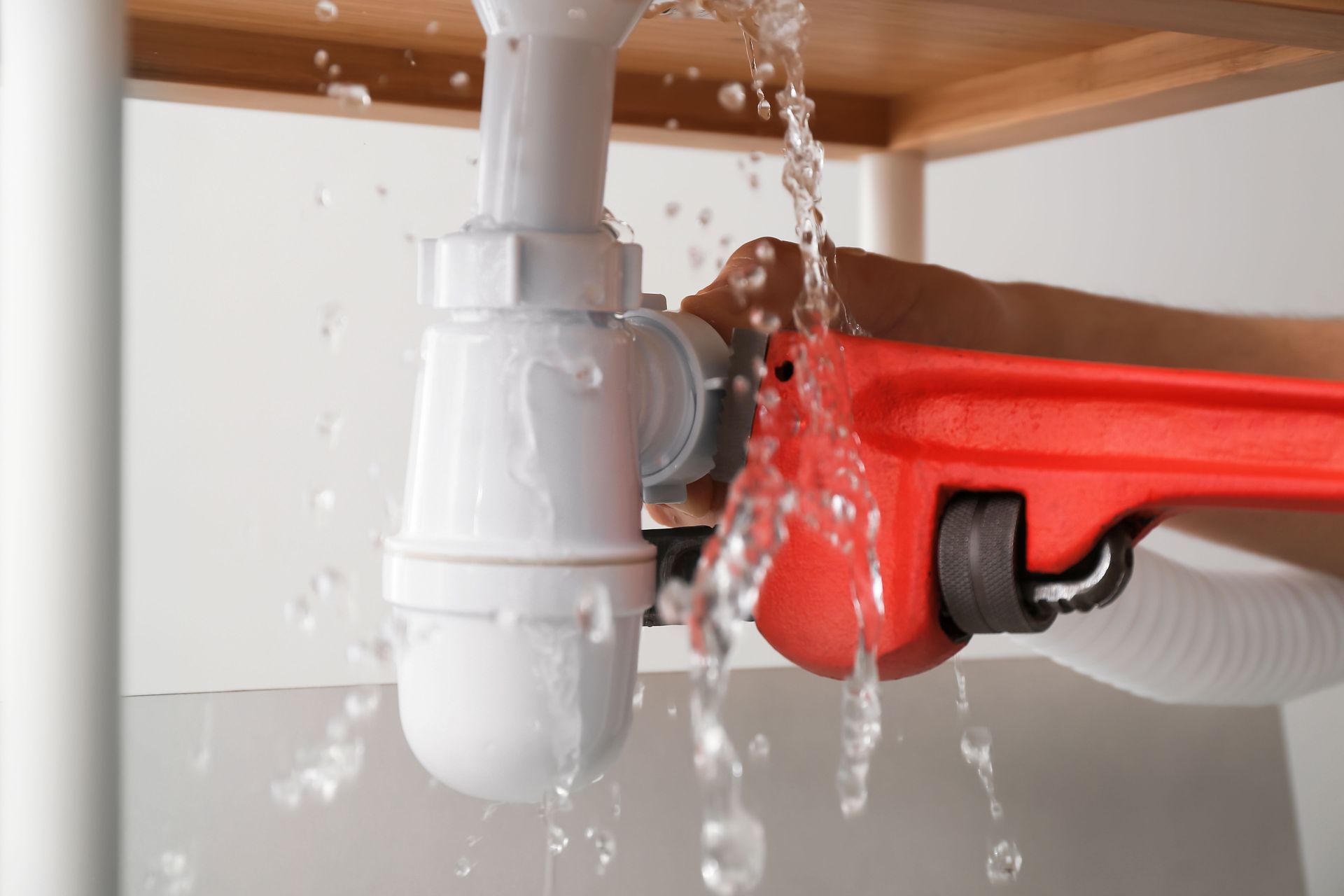
Over time, this accumulating sludge acts like glue, trapping food particles, wet wipes, and other debris that travel down the sewer line. This accumulation eventually creates solid blockages known as fatbergs, which can completely choke your plumbing system. The result is often a nasty, foul-smelling sewage backup that requires expensive professional plumbing repairs to fix. To avoid this costly nightmare, you should always let your used grease cool down completely, pour it into a sturdy disposable container, and seal it tightly before tossing it into the trash.
2. Dumping Oil in the Backyard Garden
Another frequent cooking oil disposal misstep is the belief that leftover kitchen grease is completely natural and can be safely dumped outside in the backyard or compost pile. While vegetable oils do come from plants, pouring large quantities of concentrated fats directly onto the earth causes severe damage to the local soil structure. The thick liquid forms a waterproof barrier over the dirt, which effectively suffocates the beneficial microbes and earthworms that keep your soil healthy.
Furthermore, this greasy coating prevents water and essential nutrients from penetrating the ground, which can quickly wither and kill your backyard grass and landscaping. Beyond destroying your garden, free-flowing grease outside inevitably creates powerful, rancid odors as it breaks down in the sun. These strong smells act as an open invitation for unwanted pests, drawing rodents, raccoons, and insects right to your doorstep. Instead of creating an outdoor nuisance, you should collect your grease in a designated storage bin and keep it safely indoors until you can drop it off at a proper collection site.
3. Mixing Hot Oil with Plastic Trash Bags
Impatience in the kitchen often leads to another hazardous blunder, which involves pouring hot oil directly into trash cans or plastic bags. When you're rushing to clean up after a busy dinner service or a family meal, it's tempting to empty the fryer or pan immediately so you can wash up and relax. However, hot grease easily reaches temperatures well above the melting point of standard household plastics and thin garbage liners.
When the boiling liquid melts through the plastic, it creates a messy and dangerous situation. The hot liquid can cause severe burns if it splashes onto your skin, and it'll quickly leak all over your kitchen floors, cabinets, and outdoor trash bins. This spilled grease creates a serious slip-and-fall hazard and leaves behind a stubborn, sticky residue that is incredibly difficult to clean up. To prevent this messy cooking oil disposal scenario, you must always give your kitchen fats plenty of time to cool down to room temperature before attempting to transfer them into any storage container or trash bag.
4. Disregarding Oil as a Recyclable Resource
Many individuals and business owners treat their used kitchen grease as completely worthless garbage that belongs strictly in a landfill. This mindset represents a massive missed opportunity for environmental sustainability and community health. Used kitchen grease is actually a highly valuable commodity that can be filtered, processed, and completely repurposed into clean-burning renewable energy sources like biodiesel.
When you simply toss your old grease into the regular trash, it winds up sitting in a landfill where it breaks down and generates harmful greenhouse gases that contribute to atmospheric pollution. By failing to recognize the value of your waste, you miss out on a chance to reduce your carbon footprint and support the clean energy sector. To avoid this waste of resources, you should look into regional recycling initiatives and establish a dedicated routine for collecting your grease so that it can be transformed into something beneficial for the planet.
5. Neglecting Professional Grease Collection Services
For busy commercial kitchens and restaurants, trying to manage high volumes of kitchen waste without professional help is a recipe for operational disaster. Some managers try to cut corners by having staff manually haul heavy, greasy drums to local landfills or relying on erratic, uncertified collectors. This lack of a structured system frequently leads to accidental outdoor spills, workplace injuries from lifting heavy containers, and violations of local health codes.
Accumulating large amounts of unmanaged grease on your property also creates a major fire hazard and attracts unwanted pests to your business. Navigating the complicated web of environmental regulations can be exhausting, and getting caught with improper cooking oil disposal methods can result in heavy financial penalties. To avoid these operational headaches, commercial operations should partner with a certified, reliable service team that provides secure storage tanks and schedules regular pickups. This keeps your kitchen running smoothly, ensures total regulatory compliance, and gives you total peace of mind.
Avoiding these common pitfalls of kitchen waste management is essential for protecting your property's plumbing, keeping your workspace safe, and preserving the surrounding environment. Pouring grease down the drain, dumping it outside, handling it while it's too hot, treating it like worthless garbage, or skipping out on professional assistance can lead to expensive repairs and severe ecological damage. By taking a proactive approach and implementing safe storage habits, you can transform a messy chore into an eco-friendly routine that supports a cleaner future. Whether you run a bustling commercial restaurant or just love cooking at home, making responsible waste management a priority is a small change that yields massive benefits for your community.
Choosing the right partner makes all the difference when protecting your pipes and the planet. By relying on a certified team that provides clean trucks, secure storage tank systems, and prompt, flexible scheduling, you can ensure your kitchen operates safely, stays fully compliant with local regulations, and meets high sustainability standards. If you want a hassle-free, professional solution for your kitchen waste needs, contact Planet Fry today to request a free consultation for your cooking oil disposal.


Share On: