
Common Asphalt Challenges That the Right Cutting Agents Can Help Address
Paving and maintaining roads requires working against heat, pressure, sticky materials, and strict regulatory standards. Asphalt remains one of the most durable and reliable materials for modern infrastructure, but it presents unique daily headaches for contractors, road crews, and municipal teams. From heavy buildup on heavy machinery to compliance hurdles regarding toxic chemicals, managing asphalt operations requires the right tools for the job.
Many operations rely on traditional solvents or improper clearing techniques to manage sticky residues, but these outdated methods often cause more harm than good. Embracing modern asphalt cutting agents allows paving teams to streamline their cleanup routines, protect expensive machinery, safeguard worker safety, and extend the lifespan of their paving equipment. Understanding how specialized formulations address these core operational challenges makes it easy to see why switching to an effective solution is essential for any serious paving crew.
Eliminating Heavy Buildup on Paving Equipment
Heavy machinery is the backbone of any paving operation, yet it suffers continuous wear from hot asphalt mix sticking to vital parts. As paving crews move through a shift, hot mix sticks to truck beds, paver slats, rollers, and hand tools like shovels and rakes. Over time, this sticky residue cools, hardens, and forms thick layers of stubborn buildup that severely impair equipment performance. Hand scraping and chiseling away at hardened asphalt consumes valuable labor hours and frequently damages the metal surfaces of expensive machinery.
Integrating high-performance asphalt cutting agents into your daily maintenance routine prevents hot mix from bonding to metal equipment in the first place. Instead of spending hours hammering away at cooled residue at the end of a long shift, crews can apply these formulations to soften hardened buildup and allow quick, effortless removal. By reducing mechanical strain and preventing aggressive physical scraping, crews protect their machinery investments while keeping their equipment running smoothly from project start to finish.
Streamlining Operational Cleaning and Reducing Downtime
In the fast-paced paving industry, lost time directly translates to lost revenue. When asphalt equipment bogs down due to excessive buildup, entire crews are forced to pause operations to clear jam points and clean clogged components. Traditional cleaning methods are often slow, laborious, and inefficient, leading to extended downtime that pushes projects past their planned deadlines. Every minute spent fighting hardened tar is a minute that could be spent laying clean, smooth pavement.
Using specialized asphalt cutting agents significantly speeds up the cleaning process, allowing crews to transition between jobs with minimal delay. These advanced formulations quickly penetrate dense, sticky asphalt layers to break their bond with equipment surfaces. Because the residue dissolves and releases rapidly, workers spend far less time on intensive maintenance and more time focusing on active paving tasks. The result is a more efficient workflow, better project timeline management, and a noticeable boost in daily productivity.
Replacing Toxic Solvents With Eco-Friendly Alternatives
For decades, the standard approach to removing asphalt buildup involved applying harsh chemical solvents, diesel fuel, or hazardous petroleum distillates. While these traditional substances break down tar, they introduce severe environmental risks and potential legal liabilities for contractors. Diesel fuel washes off equipment directly into surrounding soil and storm drains, polluting local waterways and degrading the quality of the asphalt surface itself. Consequently, environmental agencies strictly regulate or outright prohibit the use of toxic solvents on paving job sites.
The movement toward sustainable alternatives has deep roots in modern infrastructure history. According to the American Association of State Highway and Transportation Officials, eco-friendly release agents for asphalt first gained regulatory support with the passage of the 1980 Oil Pollution Act. Modern bio-based asphalt cutting agents build upon this legacy by offering exceptional breakdown power without relying on harmful petroleum compounds or volatile organic compounds. Switching to biodegradable alternatives protects local ecosystems, keeps your business fully compliant with environmental regulations, and creates a safer working environment for your ground crews.
Preventing Costly Machinery Repairs and Tool Replacements
Paving machinery represents a major capital investment, and neglecting proper buildup removal can lead to severe mechanical failures. When hardened asphalt accumulates around moving components, bearings, and hydraulic assemblies, it creates friction and increases drag. This extra strain forces engines and hydraulic systems to work much harder, leading to premature component wear, frequent mechanical breakdowns, and costly emergency repair bills. Even basic hand tools rapidly deteriorate when subjected to harsh scraping and burning techniques.
Regularly applying effective asphalt cutting agents creates a protective barrier that keeps asphalt from clinging to sensitive mechanical parts. By ensuring that gears, slats, and truck beds remain clear of hardened residue, these agents reduce excessive mechanical stress and prevent unnecessary wear and tear. Protecting your machinery from continuous friction and harsh mechanical cleaning methods extends the service life of your fleet, reduces maintenance overhead, and saves your business thousands of dollars in replacement parts.
Improving Worksite Safety for Field Technicians
Worker safety is a top priority for any paving contractor, yet traditional cleaning methods introduce numerous health hazards to the job site. Inhaling fumes from petroleum-based solvents or diesel fuel causes respiratory irritation, dizziness, and long-term health complications for equipment operators. Furthermore, manually chiseling hardened asphalt requires intense physical effort, increasing the risk of repetitive strain injuries, eye damage from flying debris, and accidental slips or falls while maneuvering around heavy machinery.
Modern bio-based asphalt cutting agents solve these health risks by providing a non-toxic, low-odor, and non-flammable cleaning solution. Ground crews can safely handle and apply these products without exposing themselves to dangerous chemical vapors or fire hazards. By softening sticky residues chemically rather than forcing workers to exert extreme manual force, these products reduce physical fatigue and injury risks. Prioritizing worker safety with milder yet highly effective products creates a healthier work environment and fosters a more reliable crew.
Achieving Consistent Professional Paving Results
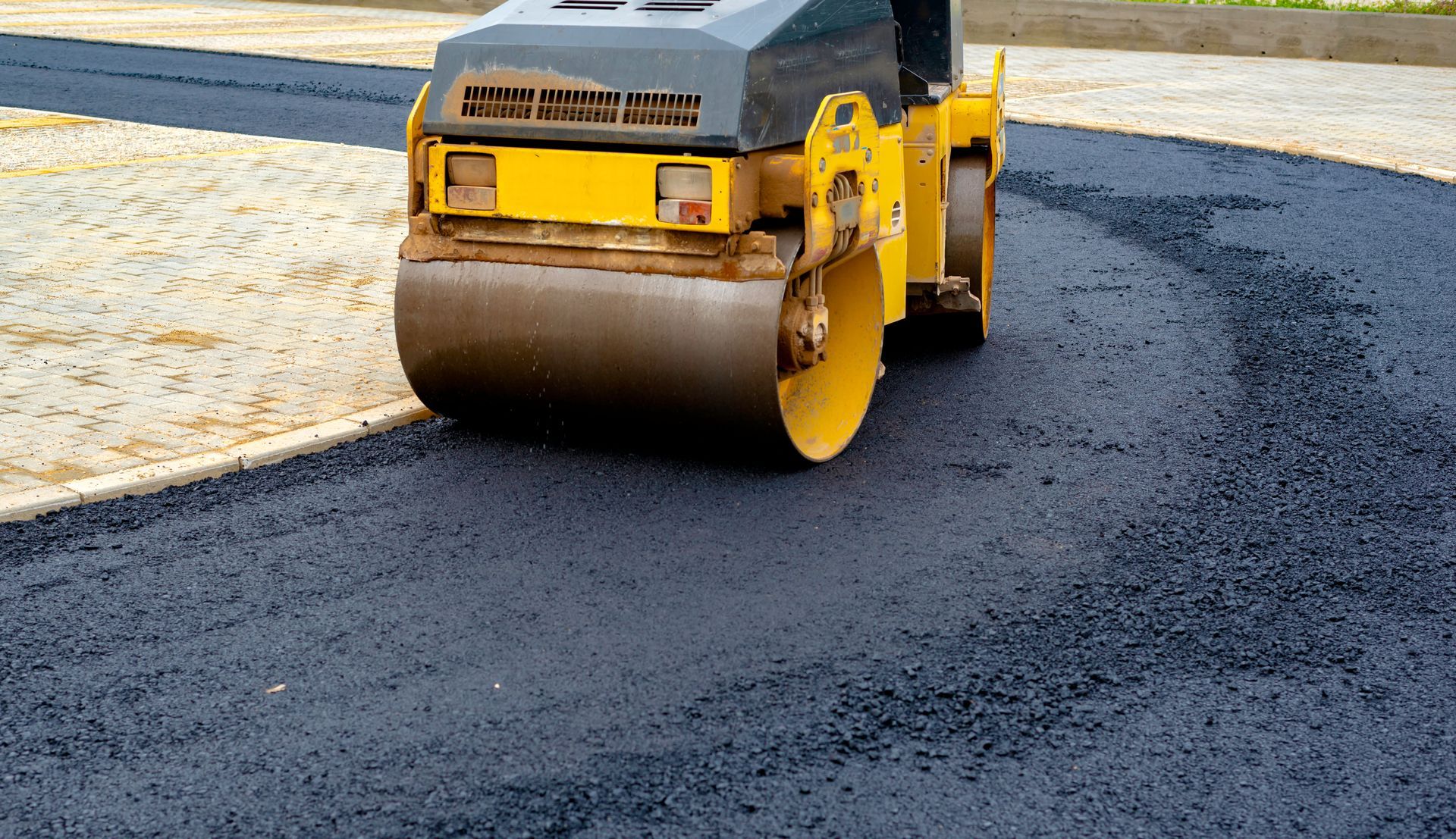
The ultimate measure of any paving project is the quality and smoothness of the finished surface. Excess asphalt buildup on paver screeds, truck beds, and compaction rollers can severely compromise the final output. Hardened chunks of old asphalt can break off during a pour, dragging across the fresh mat and leaving unsightly gouges, uneven spots, or structural weaknesses. Maintaining clean equipment is critical to delivering the high-quality, professional finish that clients expect.
Using reliable asphalt cutting agents ensures that every piece of machinery coming into contact with fresh mix remains completely smooth and clear of debris. Clean truck beds dump asphalt evenly without sticking, and spotless paver screeds lay a uniform mat without dragging old, cooled asphalt into the new layer. By integrating top-tier cleaning formulations into your daily operations, your crew can consistently deliver smooth, flawless pavements that stand up to heavy traffic and harsh weather conditions for years to come.
Tackling daily asphalt challenges requires powerful, environmentally safe solutions that protect your machinery, reduce expensive job site downtime, and keep your overall paving operations moving forward seamlessly. By upgrading to bio-based maintenance formulations, your crews can easily eliminate stubborn buildup, protect essential equipment from long-term mechanical wear, and maintain strict compliance with modern environmental standards without compromising on raw cleaning performance.
Furthermore, adopting safer asphalt maintenance practices boosts workplace safety for your field technicians while consistently ensuring smooth, high-quality pavement finishes across every single project, so contact Planet Fry today to request a consultation and discover how our high-performance products can transform your job site maintenance routine.

Share On: