
What Does ISCC Certification Mean for Your Used Cooking Oil?
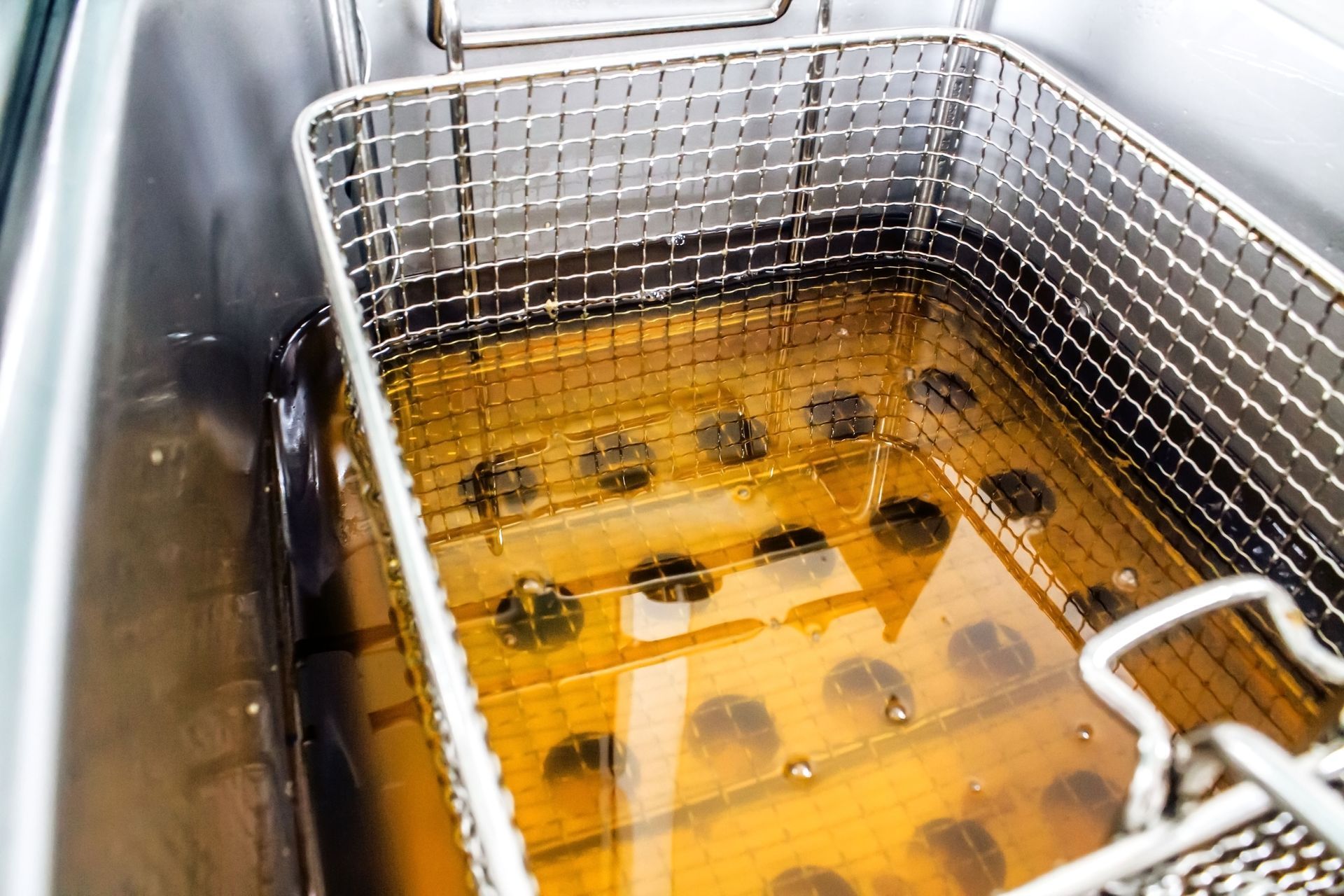
Every commercial kitchen produces yellow grease as a natural byproduct of frying, sautéing, and daily food preparation. For decades, the primary concern surrounding this material centered on basic kitchen cleanliness and municipal plumbing protection. Today, grease collection has evolved from a routine sanitation task into a vital link within the clean energy supply chain. When liquid waste leaves a kitchen facility, its destination determines whether it ends up burdening local infrastructure or contributing to renewable biofuels.
Examining the Standards of Sustainability Certification
Defining the International Sustainability and Carbon Certification System
The ISCC system was developed to provide clear, legally recognized standards for tracing sustainable materials across various markets. Originating under strict European environmental mandates, it verifies that raw materials used in green fuels, circular economy products, and bio-based chemicals adhere to strict ecological and social criteria. The certification does not simply apply to final fuel refiners; it covers every step of the supply chain, beginning at the exact point where waste originates.
When a collector carries this credential, every gallon collected undergoes verification. An independent auditor reviews paperwork, chain-of-custody documentation, and physical transport protocols. This tracking ensures that waste streams are genuine recycled byproducts rather than virgin agricultural commodities falsely labeled as waste to capture carbon credits.
Identifying How the Certification Evaluates Kitchen Waste Streams
Spent grease from restaurant fryers is classified under global standards as a waste material. Because it represents a secondary residual rather than a purposely cultivated agricultural crop, it holds a distinct advantage in greenhouse gas accounting. Cultivating fresh crops like soybeans or canola requires land use, machinery, irrigation, and synthetic inputs, each carrying an embedded carbon penalty.
In contrast, spent grease begins its second life with zero agricultural carbon burden. Under the auditing standard, facilities must prove that the grease genuinely originated from food production. The tracking system accounts for transport distances, vehicle efficiency, storage methods, and handling practices, calculating the exact greenhouse gas savings generated when the grease replaces fossil feedstocks.
Understanding the Life Cycle of Recycled Kitchen Grease
Tracing the Journey From Fryer Storage to Clean Energy
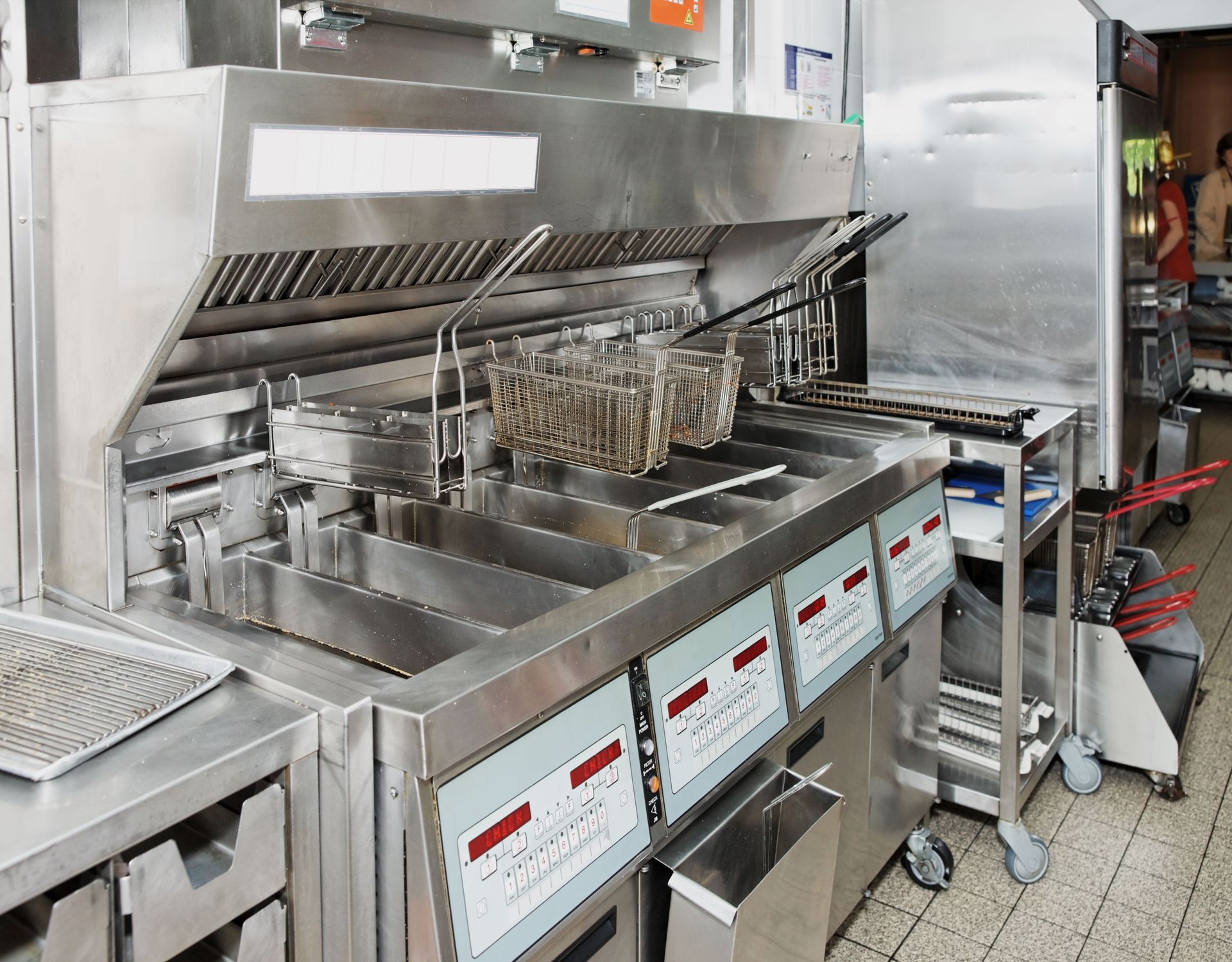
Once cooking fats complete their culinary utility, their life cycle is far from over. Safe on-site containment represents the initial phase of handling. Operations store residual fats in dedicated outdoor or indoor receptacles until a licensed collector pumps the material into service tankers.
From the storage container, the grease travels directly to a regional handling facility. Technicians filter the material to remove lingering water, moisture, and leftover food particulates. Once purified into clean tallow and processed yellow grease, the raw material is routed to advanced biorefineries. These facilities utilize chemical processes such as transesterification and hydrotreating to refine the fats into clean-burning biodiesel and renewable diesel.
Evaluating the Environmental Advantages Over Fossil Fuels
The transformation of restaurant grease into renewable fuels provides tangible ecological benefits. Traditional petroleum extraction and refining release massive amounts of sequestered carbon into the atmosphere. Fuels derived from recycled culinary fats recycle existing organic carbon, producing fewer particulate emissions, sulfur oxides, and net greenhouse gases.
Beyond air quality, systematic cooking oil disposal prevents devastating blockages in municipal wastewater systems. When restaurants fail to manage waste fats, grease hardens within sewer infrastructure, creating massive obstructions known as fatbergs. These blockages cause sewage overflows, property damage, and severe waterway contamination. Professional cooking oil disposal shields municipal pipes while simultaneously channeling energy resources toward clean transport fleets.
Navigating the Current Waste Oil Collection Market
Reviewing the Landscape of American Recycling Providers
The infrastructure dedicated to collecting and repurposing restaurant grease across North America has expanded rapidly in response to renewable fuel demands. According to IBISWorld, the American cooking oil recycling sector currently comprises 86 active enterprises managing collection networks and processing hubs.
This specialized network handles millions of pounds of restaurant residuals every year. However, not all operating entities maintain the same auditing credentials or transparent logistics. While some collectors transport material solely within unregulated local markets, certified entities submit their operations to external scrutiny. For commercial food operators, selecting an audited partner ensures that spent fryer fats legitimately support verified green initiatives.
Distinguishing Between Certified and Unregulated Handlers
Working with unaccredited handlers introduces operational and reputational risks for commercial kitchens. Unverified collectors may lack adequate insurance, employ poorly maintained collection equipment, or fail to uphold chain-of-custody documentation. In worst-case scenarios, unauthorized grease theft rings siphon outdoor bins to sell grease on informal secondary markets, exposing food operators to property damage and regulatory infractions.
Certified operators adhere to structured management standards, offering formal reporting, clean transfer equipment, and reliable pickup schedules. The auditing process establishes accountability, guaranteeing that the collected product moves straight into legitimate industrial processing facilities without unlawful diversion.
Achieving Practical Operational Advantages for Commercial Kitchens
Protecting Daily Facility Operations and Plumbing Infrastructure
On an operational level, partnering with an audited collector eliminates the primary headache associated with cooking oil disposal: maintaining kitchen cleanliness and plumbing integrity. Commercial kitchens operate at demanding tempos, where grease spills can create slip hazards and fire code violations.
A systematic collection routine keeps bulk outdoor storage tanks from overfilling, preventing unsanitary leaks and pest attraction. Proper handling protocols also ensure that kitchen staff never attempt informal pouring methods that could send oil down internal drains. Dedicated cooking oil disposal procedures protect facility infrastructure and preserve health inspection ratings.
Meeting Corporate Sustainability Goals and Regulatory Demands
Consumers and corporate stakeholders increasingly hold food service brands accountable for their environmental footprint. Environmental, social, and governance metrics frequently require businesses to document waste diversion rates and circular economy participation.
Aligning with an internationally certified collector supplies kitchen management with verifiable proof of sustainability. When corporate sustainability teams, municipal regulators, or commercial landlords request documentation regarding waste management, certified haulers supply auditable records. This tangible verification demonstrates that your cooking oil disposal directly contributes to measurable greenhouse gas reductions.
Choosing Reliable Protocols for Long-Term Grease Management
Implementing Efficient On-Site Storage and Containment Solutions
Developing a dependable grease recycling system starts with sound containment equipment inside the kitchen and in service corridors. Depending on food production volume, facilities choose between outdoor holding tanks or modern indoor automated storage units.
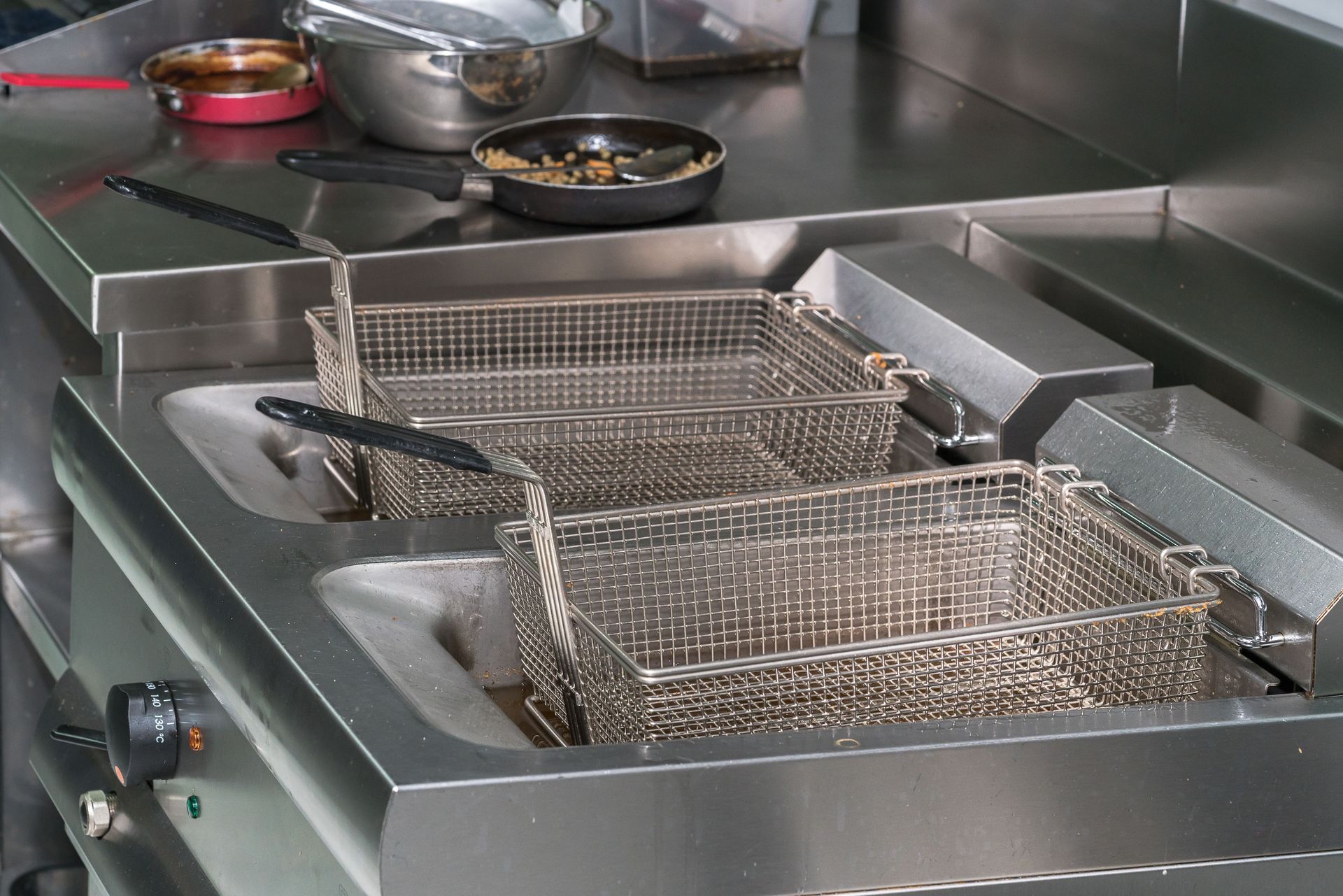
Automated indoor tank systems allow kitchen staff to pump hot oil directly from fryers into secure containment vessels with minimal manual lifting. This containment strategy lowers the risk of severe burns, eliminates exterior grease spills, and prevents outdoor bin tampering. Regardless of whether a kitchen utilizes indoor automated systems or secure outdoor barrels, maintaining watertight containment keeps grease free of excessive water and trash, preserving its value for downstream biofuel refining.
Establishing Scheduled Collections and Auditable Traceability
Irregular collection timetables disrupt restaurant workflows and lead to hazardous spills around service doors. A well-managed grease collection program operates on a structured schedule tailored to actual fryer turnover rates.
Partnering with an audited provider ensures that each pickup is accompanied by digital logging and service receipts. These service logs document date, volume, and processing destinations, giving restaurant owners complete visibility into their waste stream. Transparent cooking oil disposal guarantees that culinary byproducts consistently move from the kitchen to renewable fuel refineries without logistical disruptions.
The International Sustainability and Carbon Certification provides the transparency necessary to connect commercial kitchens with the global renewable energy sector. By verifying origin, handling procedures, and greenhouse gas calculations, the framework ensures that discarded kitchen fats genuinely support clean fuel production. Implementing professional
cooking oil disposal not only protects facility plumbing and ensures regulatory compliance, but also transforms a routine waste stream into a driver of environmental progress. For food service operators seeking an audited, seamless approach to grease management, reaching out to an experienced, certified partner like Planet Fry delivers dependable service while advancing sustainable solutions for the entire community.

Share On: