
From Waste to Fuel: Recycled Oil Faces Hurdles in Biodiesel Production
The journey of a simple gallon of grease from a commercial kitchen to a vehicle's fuel tank is a fascinating example of the circular economy in action. As sustainability becomes a core pillar for businesses across the Mid-Atlantic area, understanding the lifecycle of kitchen byproducts is essential. Efficient cooking oil disposal is not just about cleanliness; it is about contributing to a greener future. While the transition from waste to energy seems seamless on paper, the industry is navigating a complex landscape of supply, demand, and refining preferences that dictate how our kitchen waste is repurposed.
For many restaurant owners and facility managers, the primary focus remains on maintaining a high standard of hygiene and operational efficiency. Proper cooking oil disposal ensures that drainage systems remain clear and that the workspace remains safe for staff. However, beyond the kitchen walls, that collected oil enters a sophisticated market designed to convert fats and greases into high-quality biodiesel. This process reduces our reliance on traditional fossil fuels and provides a second life for a product that was once considered a mere nuisance. The enthusiasm for this transition remains high, as every gallon recycled represents a step away from landfill waste.
Identifying the Value in Used Cooking Oil
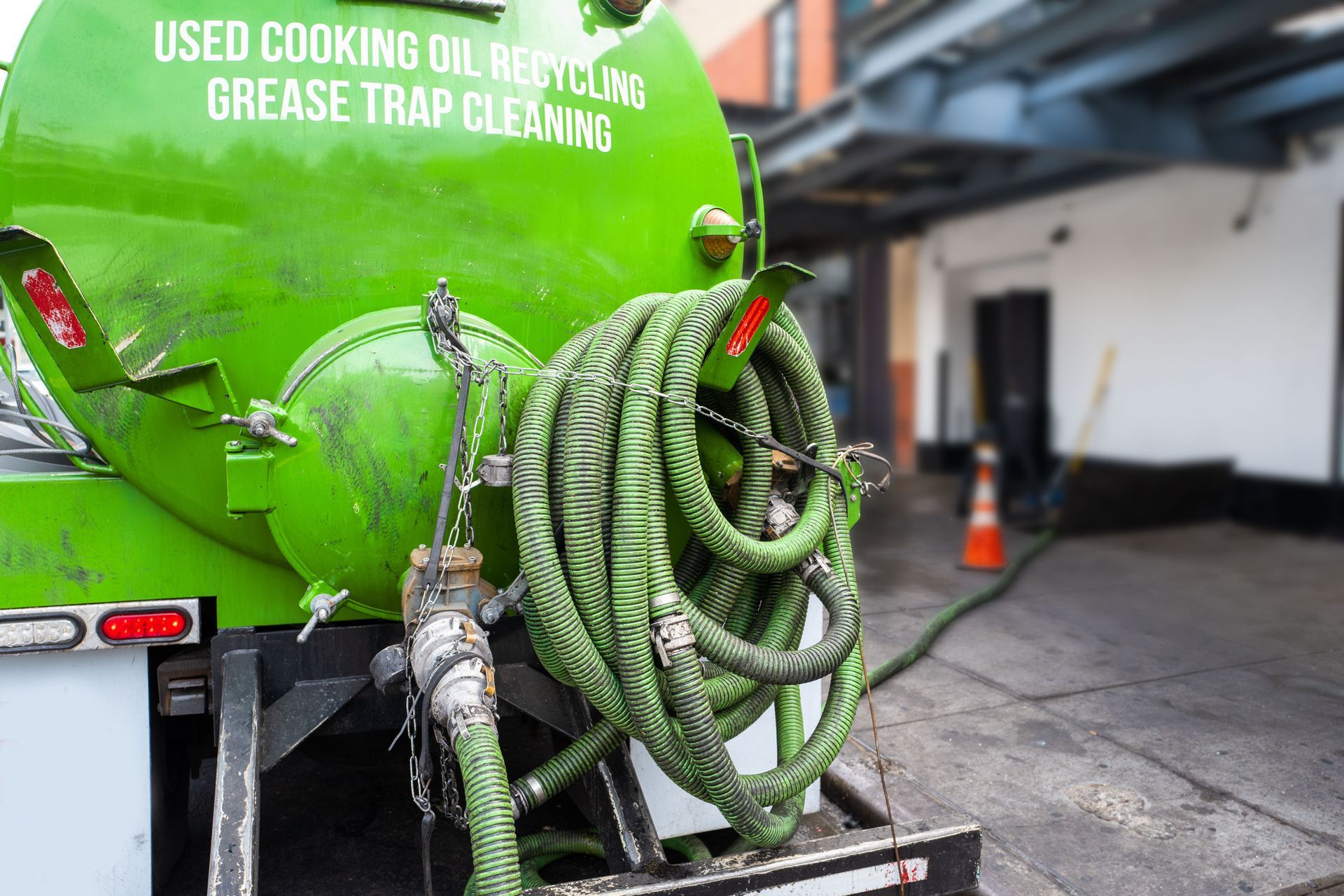
The initial stage of the recycling process begins with the collection of used fats and greases from various food service establishments. High-quality services ensure that the material is stored and transported without contamination, preserving its potential for energy conversion. Once collected, the oil undergoes a rigorous filtration and purification process to remove food particles, water, and other impurities. This "yellow grease" serves as a vital feedstock for refineries that specialize in renewable fuels. By choosing a dedicated service for your oil management, you are directly fueling the production of cleaner-burning alternatives.
The environmental benefits of using recycled kitchen grease are substantial. Biodiesel produced from these materials significantly lowers greenhouse gas emissions compared to petroleum-based diesel. Furthermore, the localized nature of collection and processing helps reduce the carbon footprint associated with long-distance fuel transportation. When businesses prioritize consistent cooking oil disposal, they participate in a localized energy loop that supports both the regional economy and the global climate. This proactive approach turns a routine task into a meaningful contribution to environmental stewardship, proving that even small operational changes have a large impact.
Navigating the Market Shift Toward Virgin Oils
Despite the clear benefits of using recycled materials, the biodiesel industry is currently facing a shift in feedstock preferences that impacts the demand for used kitchen grease. According to IBISWorld, while biodiesel production grew and incorporated recycled oil, the preference for virgin vegetable oil has curtailed the demand for recycled oil. This shift is often driven by the ease of processing virgin oils, which typically require less intensive refining than used greases. For producers, the consistency and chemical profile of virgin soybean or canola oil can sometimes make them more attractive options for large-scale production runs.
This market dynamic creates a unique set of hurdles for the recycling sector. As refineries opt for virgin sources, the value of used grease can fluctuate, making it more important than ever for kitchens to utilize professional cooking oil disposal partners. These partners act as the bridge between the food service industry and the fuel producers, ensuring that even when market preferences lean toward virgin oils, there is still a clear and efficient pathway for recycled grease to enter the supply chain. Maintaining a high volume of clean, well-managed waste oil helps keep the recycled market competitive and ensures that waste does not end up being discarded improperly.
Understanding the Refining Challenges of Recycled Grease
The technical aspects of converting used grease into fuel present more challenges than using fresh oils. During the frying process, oil undergoes chemical changes, including the development of free fatty acids and the accumulation of moisture. Effective cooking oil disposal helps mitigate some of these issues by preventing further degradation during storage. Refineries must still employ more advanced chemical processes, such as transesterification, to handle the variability found in recycled stocks. These additional steps can increase the cost of production, which is a major factor when companies decide which feedstock to purchase for their biodiesel batches.
Technological advancements are luckily making it easier to process used grease more efficiently. Newer refining techniques are better equipped to handle the impurities found in restaurant waste, slowly closing the gap between virgin and recycled feedstocks. By supporting the infrastructure for kitchen recycling, we help provide the steady supply of material necessary for these refineries to optimize their systems. As the technology matures, the hope is that the hurdles currently favoring virgin oils will diminish, allowing recycled grease to take its rightful place as the primary source for renewable diesel across the nation.
Promoting Sustainability Through Efficient Kitchen Practices
Sustainability in the kitchen starts with a commitment to organized waste management. When staff members are trained on the importance of proper cooking oil disposal, the quality of the collected material remains high, which is crucial for its eventual conversion to fuel. Avoiding the introduction of water, chemicals, or excessive food debris into the grease bin makes the recycling process much more viable for fuel producers. This attention to detail at the source level directly affects the efficiency of the entire biodiesel supply chain, proving that the kitchen staff plays a starring role in renewable energy production.
Beyond the environmental perks, an efficient grease management system improves the overall workspace. It prevents the odors and slip hazards associated with improper storage and ensures that the business remains compliant with local environmental regulations. High-quality cooking oil disposal is a win-win scenario: the restaurant stays clean and safe, and the planet benefits from a reduction in waste. By viewing kitchen grease as a resource rather than a burden, businesses can take pride in their role as suppliers for the green energy market, fostering a culture of responsibility that resonates with modern, eco-conscious consumers.
Overcoming Economic Hurdles in the Biofuel Sector
The economics of the biofuel industry are often tied to government incentives and global oil prices. When petroleum prices are high, the demand for biodiesel typically increases. However, when virgin vegetable oil prices drop or when subsidies favor certain crop-based fuels, recycled grease can face stiff competition. This economic volatility requires a resilient collection infrastructure that can weather market shifts. Ensuring that there is a reliable network for collecting and processing waste oil is key to keeping the biodiesel industry diverse and sustainable in the long run.
Industry leaders are constantly looking for ways to make recycled oil more attractive to refiners. This includes lobbying for policies that reward the use of waste-based feedstocks over virgin crops. By participating in professional
cooking oil disposal programs, your business helps demonstrate the volume of available waste material, making a case for continued investment in recycled fuel technology. Navigating the complexities of the biofuel market requires a dedicated approach to how we handle our waste. While there are hurdles to overcome regarding refinery preferences and economic shifts, the transition from waste to fuel remains a vital part of our environmental strategy.
We are committed to helping businesses throughout the Mid-Atlantic area manage their byproducts with ease and efficiency. We offer free estimates to help you establish a system that works for your needs. Call Planet Fry today to learn how we can streamline your grease management and support the renewable energy cycle.


Share On: